
Lemon Balm: The Gentle Healer That Wouldn’t Quit

Lemon Balm: The Gentle Healer That Wouldn’t Quit and a Simple Lemon Balm Salve Recipe that You Can Make at Home.
Some of the products featured in this article may contain affiliate links. If you choose to purchase through one of these links, Fig Hollow Farm may earn a small commission at no additional cost to you.

Every winter teaches you something about your garden. Some plants fade quietly, some never make it past the first cold snap, and then there are the rare few that surprise you. For me, that plant was lemon balm. Last spring I planted Lemon Balm by seed in a raised planter on my patio. It was actually my first time growing this awesome little herb and I am so happy that I did.
While other herbs retreated or disappeared entirely, lemon balm stayed. Not only did it stay, it also continued to grow. It weathered 27 degree nights, shrugged off frost, and maintained its presence. Now it is spilling confidently through my raised bed, vibrant and fragrant, a living reminder that resilience often shows up in the gentlest forms.
Lemon balm does not demand attention. It does not show off. Yet it has been trusted for centuries for healing, comfort, and nourishment. That quiet strength is exactly what makes it so special.
A Brief History of Lemon Balm
Lemon balm, or Melissa officinalis, has deep roots in herbal tradition. Native to the Mediterranean and parts of Europe, it has been cultivated for over 2,000 years. Ancient Greeks and Romans valued it for its calming properties, and medieval monasteries grew it as a staple medicinal herb.
The name Melissa comes from the Greek word for honeybee. Beekeepers planted lemon balm to attract bees and encourage healthy hives. Even today, its soft citrus scent hums with life when pollinators are nearby.
Historically, lemon balm was used to lift the spirits, soothe the nervous system, and support digestion. Paracelsus, a 16th century physician and herbalist, referred to it as the “elixir of life,” praising its ability to renew the body and mind.
Medicinal and Healing Benefits
Lemon balm’s strength lies in its gentleness. It is one of those herbs that supports rather than overwhelms. As with all herbs, always consult with a qualified physician, healthcare provider, or licensed herbal professional before using herbs, supplements, or natural remedies, especially if you are pregnant, nursing, have a medical condition, or are taking prescription medications.
Common medicinal benefits include:
Calming the nervous system and easing anxiety
Supporting restful sleep and reducing stress
Aiding digestion and easing bloating
Supporting cognitive function and memory
Helping soothe headaches and tension
Offering antiviral and antimicrobial properties
Topical analgesic for pain, bug bites, shingles, etc.
Lemon balm is often used as a tea for emotional balance and nervous system support. It is especially helpful during times of stress, grief, or mental overload. Its mild antiviral properties have also made it a traditional remedy for cold sores and immune support.
There is something poetic about an herb that survives the cold and then turns around and helps heal the body from stress and fatigue. Its resilience in the garden mirrors its steady, restorative role in herbal medicine.

Growing Lemon Balm and Why It Thrives
Lemon balm is famously forgiving. Once established, it tolerates heat, cold, inconsistent watering, and less-than-perfect soil. My raised bed saw freezing temperatures that wiped out more delicate herbs, yet lemon balm held its ground and kept growing.
Why lemon balm thrives:
Deep, resilient root system
Cold tolerant once established
Fast regrowth after pruning or stress
Naturally resistant to many pests
It actually benefits from being cut back, responding with fuller, more vigorous growth. This makes it ideal for gardeners who love to harvest often.
One word of caution, lemon balm can spread enthusiastically. Raised beds or containers help keep it in check, but honestly, abundance feels like part of its charm.
Using Lemon Balm in the Kitchen
Lemon balm brings a soft citrus note that is more floral than sharp. It works beautifully in both sweet and savory dishes.
Culinary uses include:
Fresh lemon balm tea, hot or iced
Infused honey or simple syrup
Finely chopped into fruit salads
Blended into herb butters
Added to vinaigrettes or light marinades
Stirred into desserts like shortbread, scones, or custards
It tastes amazing in homemade strawberry lemon balm shrubs
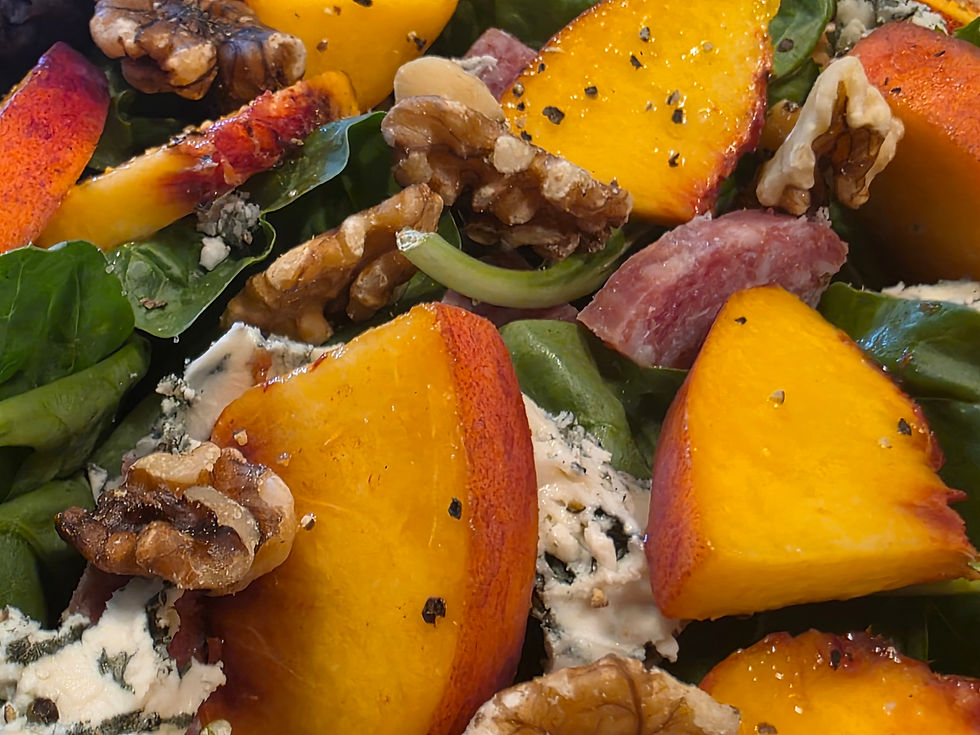
I often reach for lemon balm when I want brightness without acidity. It pairs especially well with berries, stone fruit, honey, and soft cheeses. In summer, a handful of fresh leaves steeped in cold water with a splash of lemon makes a refreshing beverage that you can sip on all day. A cup of tea in the evening. A sprig tucked into a glass of water while working in the kitchen. A few leaves crushed between your fingers just to release the scent.
It reminds us that healing does not always come from something harsh or dramatic. Sometimes it comes from consistency, from showing up again and again, even after a hard season.
Watching lemon balm survive winter and thrive afterward feels symbolic. It is a quiet lesson in endurance, softness, and strength living side by side. Much like the herb itself, healing does not need to be loud to be powerful.
Lemon Balm: The Gentle Healer That Wouldn’t Quit: Final Thoughts from the Garden
Lemon balm earned its place in my raised bed and in my kitchen. It stayed when others could not, grew when conditions were tough, and continues to give generously.
If there is one herb that embodies gentle resilience, this is it. Whether you grow it for its medicinal benefits, its culinary versatility, or simply for the way it smells on a cool morning, lemon balm has a way of weaving itself into daily life.
Sometimes the plants that survive the hardest seasons are the ones that teach us the most. Below you will find a Lemon Balm recipe that is simple to make but may take some patience depending on which method you choose to infuse your oil.
As always, happy creating and infusing!
Jennifer

Lemon Balm Salve Recipe
Ingredients
For the infused oil:
1 cup fresh lemon balm leaves, (or 1/2 cup dried lemon balm)
1 to 1 1/4 cups carrier oil (olive oil is traditional, sweet almond or jojoba also work)
For the salve:
1 cup lemon balm infused oil
1 ounce beeswax pellets (about 2 tablespoons or 1/4 cup, adjust for firmness)
Optional: 10 to 20 drops essential oil (lavender pairs beautifully, optional and not required)
Step 1: Make Lemon Balm Infused Oil
Harvest lemon balm in the morning after dew has dried.
Rinse gently and pat completely dry. Moisture can cause spoilage.
Chop leaves lightly to release the oils.
Place lemon balm in a clean glass jar and cover fully with carrier oil.
Stir to release air bubbles, then cap loosely.
Infusion Methods
Slow Infusion:
Place jar in a warm, dark spot for 4 to 6 weeks.
Shake gently every few days.
Quick Infusion:
Place jar in a small saucepan
Add water to the pan and heat on very low for 2 to 3 hours.
Keep oil warm, not hot.
You can also use a crock pot on a warm setting. Strain oil through cheesecloth or a fine mesh strainer. Squeeze gently and discard plant material.
Step 2: Make the Salve
Add infused oil and beeswax to a heat-safe jar or double boiler.
Heat gently until beeswax is fully melted.
Stir well and remove from heat.
If using essential oils, stir them in now.
Pour immediately into clean tins or jars.
Allow to cool uncovered until fully set.
How to Use Lemon Balm Salve
Apply a small amount to dry skin or cuticles
Rub onto hands before bed as a nightly ritual
Use on elbows, heels, or rough patches
Dab lightly on wrists or temples for a calming moment
A little goes a long way.
Traditionally Used For:
Dry or irritated skin
Minor scrapes and rough patches
Cuticles, elbows, and heels
Gentle calming balm for stress areas like wrists or temples
Historically used in herbalism for soothing cold sore–prone skin
Muscle pain
The content shared on this website is for educational and informational purposes only and is not intended to diagnose, treat, cure, or prevent any medical condition. Information about herbs, plants, recipes, teas, and natural remedies is provided for general knowledge and personal interest. Always consult with a qualified physician, healthcare provider, or licensed herbal professional before using herbs or natural remedies, especially if you are pregnant, nursing, have a medical condition, or are taking prescription or over-the-counter medications. Individual responses to herbs may vary, and what works for one person may not be appropriate for another. Do not disregard professional medical advice or delay seeking medical care based on information found on this website.


Comments